
What makes a good Bluewater sailing yacht
A Guide to Choosing a Yacht for Ocean Cruising
For many sailors, the dream of owning a bluewater yacht is about freedom: leaving familiar waters behind and setting off on a longer passage, perhaps crossing an ocean or cruising from one remote anchorage to another. But what makes a sailing yacht genuinely suitable for bluewater cruising?
There is no single definition of the perfect bluewater yacht. Different sailors have different priorities, and a yacht designed for a couple to cruise the Caribbean may have very different characteristics from one intended for high-latitude or ocean voyaging. However, there are some important factors that every prospective bluewater yacht owner should consider.
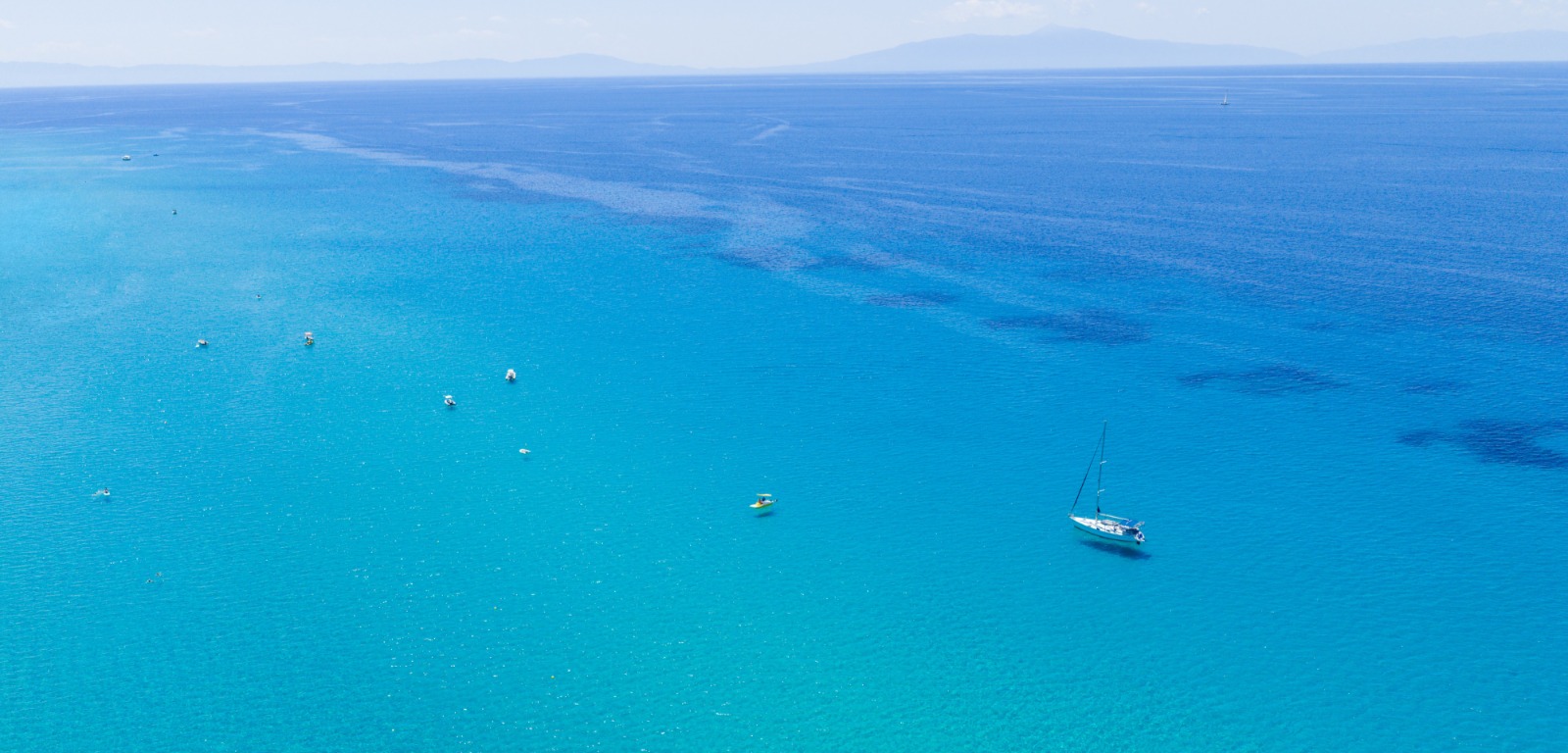
What should you look for in a bluewater sailing yacht?
The starting point is seaworthiness and predictable handling. A bluewater yacht needs to remain manageable and comfortable when conditions deteriorate. Hull design, stability, ballast, rudder protection, displacement and overall construction should all be considered alongside the yacht's intended cruising grounds.
The cockpit and helm position are equally important. Is the helm protected from spray and weather? Can the yacht be controlled safely when sailing at night or in heavy weather? Are sheets and controls accessible without exposing crew unnecessarily to the elements?
Below deck, sea-going practicality matters just as much as comfort. Handholds should be available where they are needed, lockers should be secure, and the galley should allow food to be prepared safely when the yacht is moving. Good ventilation, adequate tankage and sensible storage become particularly important when a yacht may spend days or weeks away from port. A well-designed bluewater yacht should also be maintainable. Access to the engine, electrical systems, pumps, seacocks and other critical equipment is essential. During an ocean passage, a minor problem can become a major one if the crew cannot inspect or repair the affected system.
What matters when sailing offshore?
Offshore, the yacht's behaviour in a seaway becomes critical. A comfortable motion reduces fatigue, while a well-balanced sail plan makes it easier for the crew to reef and adjust sail area as conditions change.
Reefing systems, winches and lines should be straightforward to operate, ideally without requiring crew to spend unnecessary time on the foredeck. Good deck ergonomics, strong handrails, secure jackline attachment points and effective cockpit protection can all contribute significantly to safety.
Navigation and communications are also central to modern bluewater cruising. A capable yacht may be equipped with AIS, radar, GPS/chartplotters, autopilot, depth and wind instruments, VHF and satellite or other long-range communications. However, technology should complement seamanship rather than replace it. Redundancy is valuable: having alternative ways to navigate and communicate can be crucial if a primary system fails.
What makes a good bluewater yacht at anchor?
Bluewater cruising is not all ocean passages and indeed of what makes a yacht more appropriate at sea can make it less enjoyable to simply spend time aboard. Much of the attraction of course is arriving somewhere remote and spending time at anchor.
Regardless of the overall design, a good anchoring system deserves close attention. Look at the anchor type and size, chain length, windlass, bow roller and the strength of the attachment points. The system should be appropriate for the yacht and the environments in which it is intended to cruise. Water and energy management are also particularly important at anchor. Solar panels, wind generation, efficient batteries, a reliable charging system and, where appropriate, a watermaker can dramatically increase a yacht's autonomy.
Comfort matters too. A yacht that is pleasant to live aboard for several days or weeks becomes a much more useful cruising platform. Ventilation, shade, refrigeration, cooking facilities and practical storage can all make a significant difference.
The best bluewater yacht is the one that suits the voyage
Ultimately, buying a bluewater sailing yacht is about matching the yacht to the people, passage and cruising ambitions. A yacht that is exceptional for a couple sailing from the Mediterranean to the Caribbean may not be the ideal choice for a family planning high-latitude cruising. Equally, a heavily equipped ocean cruiser may be unnecessary for an owner whose ambitions are primarily coastal and Mediterranean.
When assessing a potential bluewater yacht, look beyond the specification sheet. Consider how the yacht will behave at sea, how safely the crew can move around her, how easily systems can be maintained and how independently she can operate at anchor.
The best bluewater cruising yachts combine seaworthiness, simplicity, reliability, safety and comfort. Just as importantly, they give their owners confidence – allowing them to concentrate less on the boat and more on the experience of going to sea. At Inspiration Marine Group, our brokerage team understands the qualities that make a yacht suitable for extended cruising and bluewater adventures. If you are considering buying a yacht for offshore or ocean cruising, our experienced brokers can help you assess the yacht not simply as a boat, but as a complete cruising platform.
If you are looking to buy a bluewater yacht or are considering selling your current boat, please get in touch with our experienced team of yacht brokers who will be happy to help.
Click the button below to browse our selection of bluewater yachts currently for sale.


